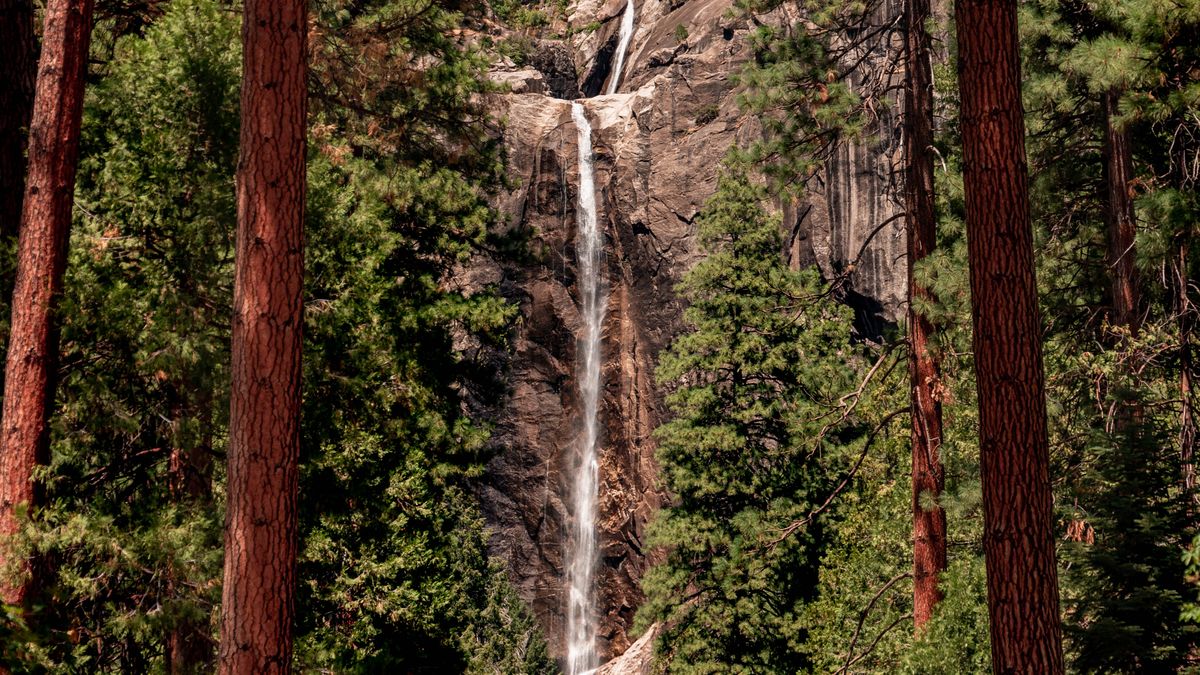
An Island of a Thousand Cascades
Few countries pack as many waterfalls into so small an area as Sri Lanka. The central highlands — where monsoon clouds meet steep, ancient mountains — are laced with hundreds of waterfalls, from thundering 250-metre giants to gentle jungle cascades with swimming pools at their base. This guide rounds up the island's most spectacular falls.
The Highest Waterfalls
- Bambarakanda Falls — at ~263 m, the tallest in Sri Lanka
- Diyaluma Falls — ~220 m, with famous natural infinity pools at the top
- Kurundu Oya Falls — ~189 m, one of the highest and least crowded
Iconic & Easy to Reach
- Ravana Falls — a roadside favourite near Ella, steeped in Ramayana legend
- St. Clair's Falls — the "Little Niagara of Sri Lanka"
- Devon Falls — a graceful drop viewed from the Hatton road
- Ramboda Falls — a towering cascade on the Nuwara Eliya road
- Dunhinda Falls — the "smoky falls" near Badulla
Hidden & Adventurous
- Bomburu Ella, Sera Ella, Duwili Ella, Aberdeen Falls, Laxapana Falls, Gartmore Falls, Huluganga Falls
- Bopath Ella and Kirindi Ella in the Ratnapura hills
- Baker's Falls in Horton Plains, Pahanthudawa at Belihuloya, Katugas Ella near Ratnapura, and Lover's Leap at Nuwara Eliya
When to Visit
Waterfalls are fullest just after the rains. For the hill country, the period from roughly October to January brings powerful flows, while March to May offers safer, clearer conditions. Always check flow and weather — falls can become dangerous after heavy rain.
Safety First
- Rocks near waterfalls are extremely slippery — never climb wet rocks above a drop.
- Flash floods can hit quickly; leave if water rises or clouds gather upstream.
- Heed local warnings and signs; many falls have had fatal accidents.
Where to Stay
The hill-country towns of Ella, Nuwara Eliya, Badulla, Haputale, and Kandy make perfect waterfall bases. Browse all accommodation across Sri Lanka.
Frequently Asked Questions
What is the tallest waterfall in Sri Lanka? Bambarakanda Falls at around 263 metres, followed by Diyaluma (~220 m) and Kurundu Oya (~189 m).
When is the best time to see Sri Lanka's waterfalls? They're fullest just after the rains — roughly October to January for the hill country, with March to May offering safer, clearer conditions for hiking and swimming.
Which waterfalls are easiest to reach? Ravana Falls, St. Clair's, Devon, and Ramboda are all roadside or near-roadside and need no serious hiking.
Which waterfalls can you swim at? Pahanthudawa, Katugas Ella, Bopath Ella, and Ravana have popular pools — but only swim when the water is calm and low, never after heavy rain.
Are Sri Lanka's waterfalls dangerous? They can be — wet rocks are extremely slippery and flash floods occur. Never climb above a drop, heed local warnings, and avoid swimming in high flow.