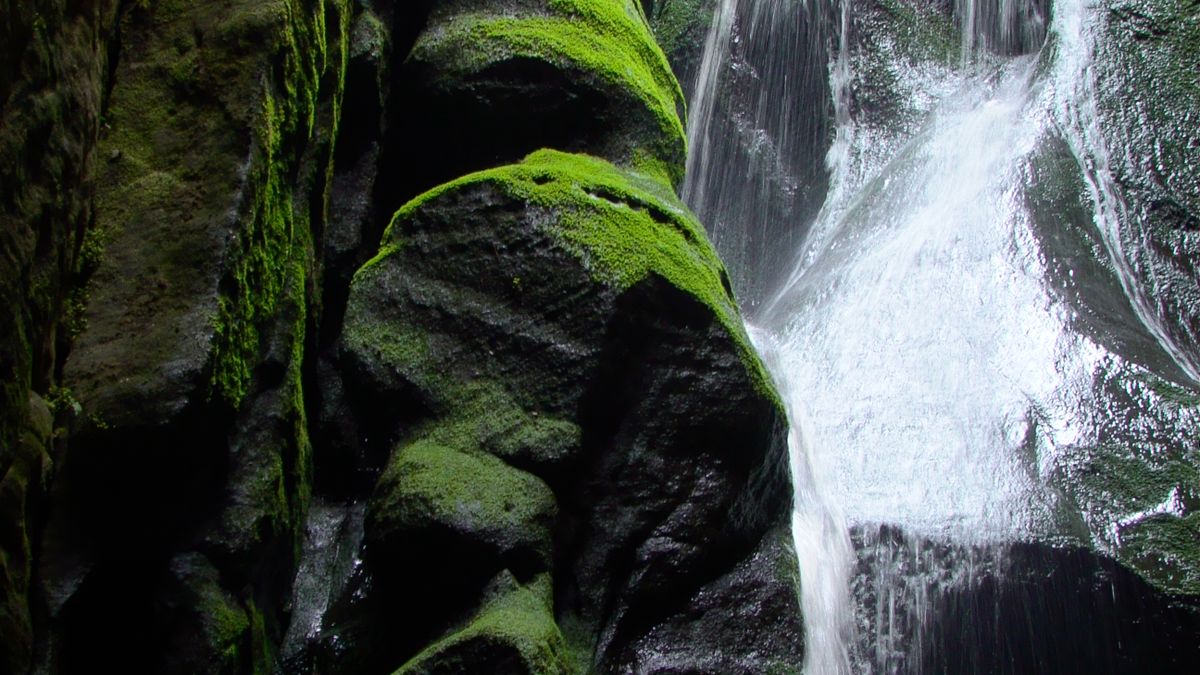
The Falls That Throws Up "Dust"
Duwili Ella — literally "Dusty Falls" — earns its name from the fine, swirling spray it throws into the air, drifting like dust around the cascade. Located in the remote Kalthota area on the edge of the Balangoda/Ratnapura hills, it's one of the more adventurous waterfalls to reach, rewarding those who make the effort with a wild, uncrowded setting.
What to Expect
- A powerful falls in a rugged, remote gorge
- A misty "dusty" spray that hangs in the air
- A genuine trek through scrub and rock to reach it
- A real sense of wilderness, far from the tour crowds
Getting There & Tips
- Reached via the Kalthota area; the final approach involves a notable hike.
- A local guide is strongly recommended — the route is not obvious.
- Carry water, snacks, and proper footwear; start early.
- Check conditions — the trail and falls can be hazardous after heavy rain.
Best Time to Visit
The drier months are safest for the trek, while the falls still carry good flow. Avoid the approach during or right after heavy rain.
Where to Stay
Base around Belihuloya or Ratnapura for access to the Kalthota area. See our complete waterfalls guide.
Quick Facts
| Name meaning | "Dusty Falls" — for its swirling spray |
| Location | Kalthota, Balangoda/Ratnapura area |
| Nearest towns | Belihuloya, Balangoda, Ratnapura |
| Access | Remote — a real trek required |
| Guide | Strongly recommended |
| Best season | Drier months (safest approach) |
How to Get There
- From Belihuloya: Drive toward the Kalthota area, then hike to the falls.
- From Ratnapura: Via Balangoda toward Kalthota.
- On foot: The final approach is a notable trek over scrub and rock — start early and carry water.
Nearby Attractions
- Pahanthudawa Falls — near Belihuloya
- Belihuloya — cool-climate streams and walks
- Kalthota Doc viewpoint & ancient ruins in the area
Frequently Asked Questions
Why is it called Duwili Ella ("Dusty Falls")? The powerful cascade throws up a fine, swirling spray that drifts like dust around the falls.
Is it hard to reach? Yes — it's remote and involves a genuine hike, so a local guide is strongly recommended.
When should I go? The drier months are safest for the trek; avoid the approach during or right after heavy rain.
What should I bring? Sturdy shoes, water, snacks, and rain protection — and start early.