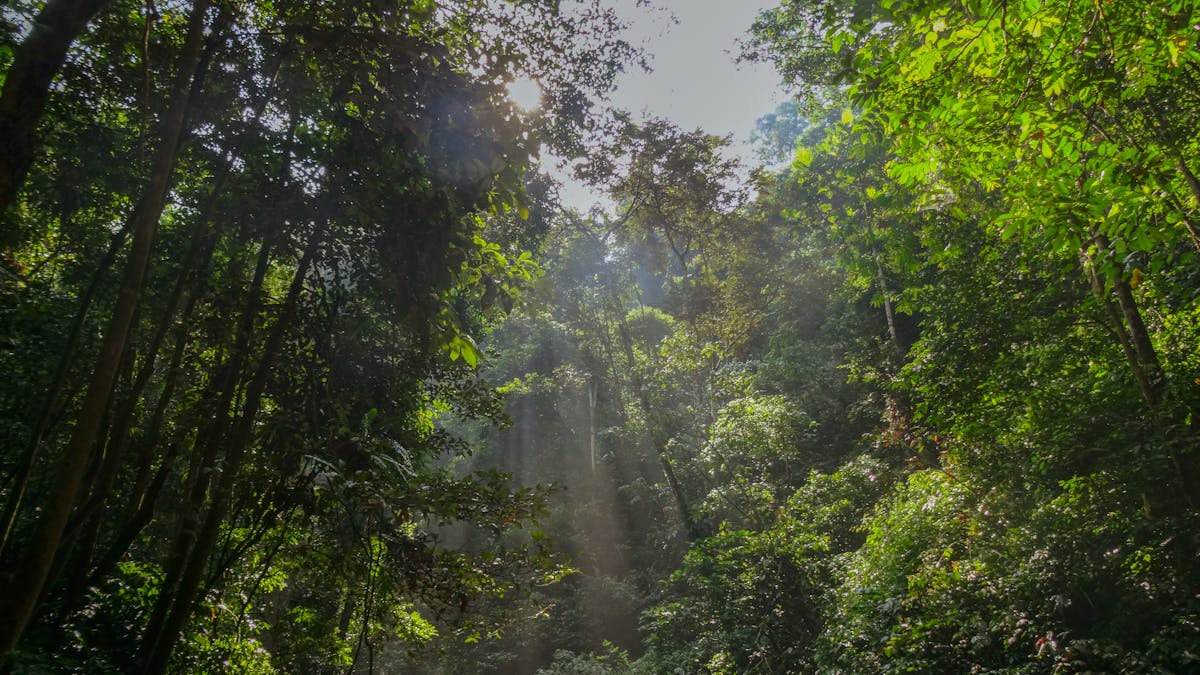
A Small Island, an Astonishing Wealth of Forest
Sri Lanka is one of the most biologically rich places on Earth for its size — part of the Western Ghats–Sri Lanka biodiversity hotspot, one of just a handful of such hotspots worldwide. Much of that richness lives in its rainforests, where a remarkable share of the island's plants, amphibians, reptiles, and birds are found nowhere else on the planet.
This guide introduces the main rainforests you can visit, from world-famous reserves to hidden gems.
Lowland Wet-Zone Rainforests
These warm, humid forests in the island's southwest are the classic Sri Lankan jungle:
- Sinharaja Forest Reserve — the crown jewel; a UNESCO World Heritage Site and the last large stretch of primary lowland rainforest.
- Kanneliya (KDN) Forest Reserve — the largest rainforest after Sinharaja, famous for waterfalls.
- Kottawa Rainforest & Arboretum — small and accessible, near Galle.
- Bodhinagala Forest Reserve — an easy day trip from Colombo.
- Dellawa, Diyadawa, Morapitiya-Runakanda, and Yagirala — quieter reserves rich in wildlife.
Montane & Cloud Forests
Higher up, cooler "cloud forests" wreathed in mist:
- Knuckles Mountain Range — a UNESCO-listed massif of cloud forest and grassland.
- Horton Plains — montane cloud forest, grasslands, and the famous World's End.
- Peak Wilderness Sanctuary — the wild forest around sacred Adam's Peak.
When to Visit
Sri Lanka's wet zone gets rain year-round, but the drier windows are roughly January to early April and August to September. Mornings are best for wildlife and for beating the clouds in the highlands.
What to Pack
- Leech socks or anti-leech precautions (leeches are common in the wet season)
- Light, quick-dry clothing and a rain jacket
- Good grip shoes, drinking water, and a local guide
Where to Base Yourself
Each forest has its own gateway towns with eco-lodges and guest houses. See our guide to staying near Sri Lanka's rainforests, or browse all accommodation across Sri Lanka.
Frequently Asked Questions
Which is the best rainforest to visit in Sri Lanka? Sinharaja is the most famous and biodiverse, but Kanneliya (near Galle) and the Knuckles (near Kandy) are excellent and easier to reach.
When is the best time to visit Sri Lanka's rainforests? The drier windows of January to early April and August to September. Mornings are best for wildlife and for beating the highland clouds.
Do I need a guide? Yes for Sinharaja (compulsory) and recommended for most reserves — guides spot wildlife and keep you safe on confusing trails.
Are there leeches in the rainforest? Yes, especially in wet weather. Wear leech socks, tuck trousers into socks, and carry a little salt or repellent.
Can I visit a rainforest as a day trip? Yes — Bodhinagala (from Colombo), Kottawa (from Galle), and Horton Plains (from Nuwara Eliya) all work as day trips.