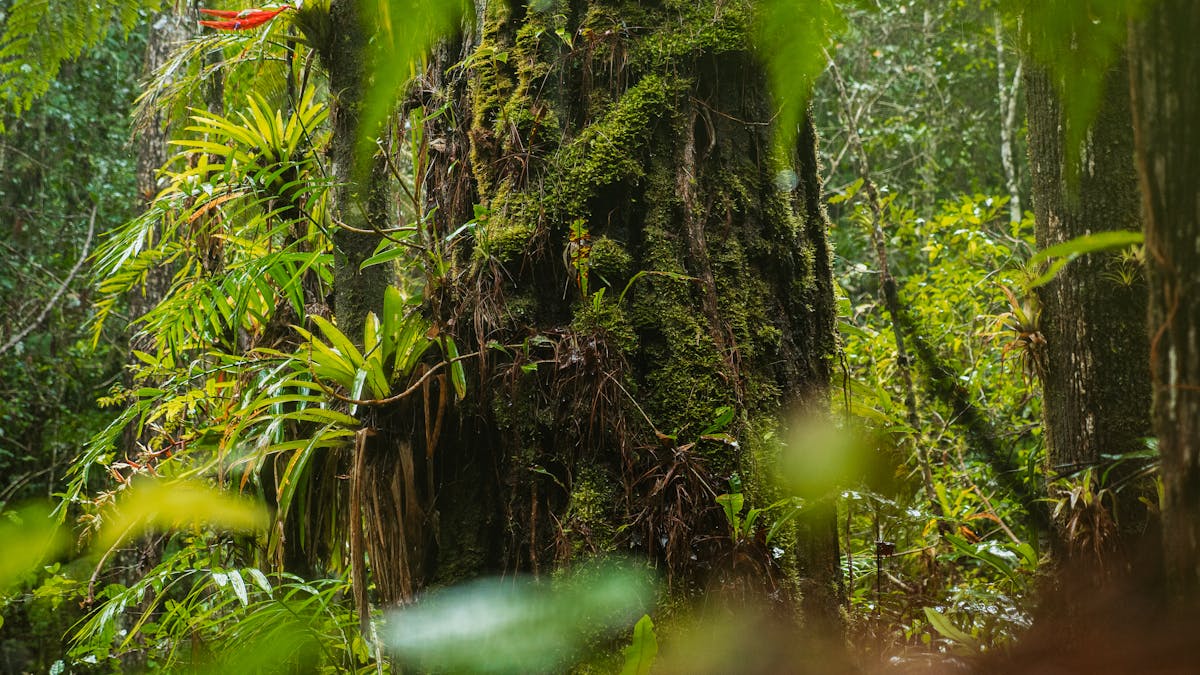
A Species-Rich Secret
Diyadawa Forest Reserve lies in the wet zone near Neluwa, on the broader fringe of the Sinharaja rainforest system. Surveys have shown it to be remarkably rich in biodiversity for its size, including a high number of endemic and threatened species — yet it remains well off the standard tourist trail.
Why It Matters
Diyadawa is exactly the kind of forest conservationists prize: a relatively intact wet-zone patch that extends the protected habitat around Sinharaja and shelters rare plants and animals that need undisturbed jungle to survive.
Wildlife Highlights
- Numerous endemic trees, shrubs, and herbs
- Endemic birds, amphibians, reptiles, and freshwater fish in its streams
- Purple-faced langurs, giant squirrels, and abundant invertebrate life
- A pristine, low-traffic forest atmosphere
Visiting
As with other lesser-known reserves, facilities are minimal and trails are basic, so go with a knowledgeable local guide. It rewards patient, observant visitors more than those after big, obvious sights.
Practical Tips
- Best time: Drier months (January–April).
- Leeches & rain: Be prepared for both.
- Leave no trace: Keep this fragile forest pristine.
Where to Stay
The natural bases are Neluwa and Akuressa. See our rainforest accommodation guide for nearby options.
Quick Facts
| Type | Biodiverse lowland rainforest |
| Location | Near Neluwa, on the Sinharaja fringe |
| Nearest towns | Neluwa, Akuressa |
| Known for | High biodiversity for its size |
| Guide | Strongly recommended |
| Best season | January–April |
How to Get There
- From Neluwa: A short drive to the forest edge.
- From the south coast: Via Akuressa toward Neluwa.
- On site: Minimal facilities and basic trails — a knowledgeable guide is best.
Nearby Attractions
- Sinharaja Forest Reserve — the core reserve nearby
- Dellawa Forest Reserve — another quiet wet-zone patch
- Neluwa river & waterfall spots
Frequently Asked Questions
What makes Diyadawa special? Surveys show it's remarkably rich in biodiversity for its size, with many endemic and threatened species.
Is it touristy? No — it's well off the standard trail, ideal for serious nature lovers.
Do I need a guide? Yes — facilities are minimal and trails are basic.
When should I visit? The drier months (January–April); be ready for rain and leeches year-round.