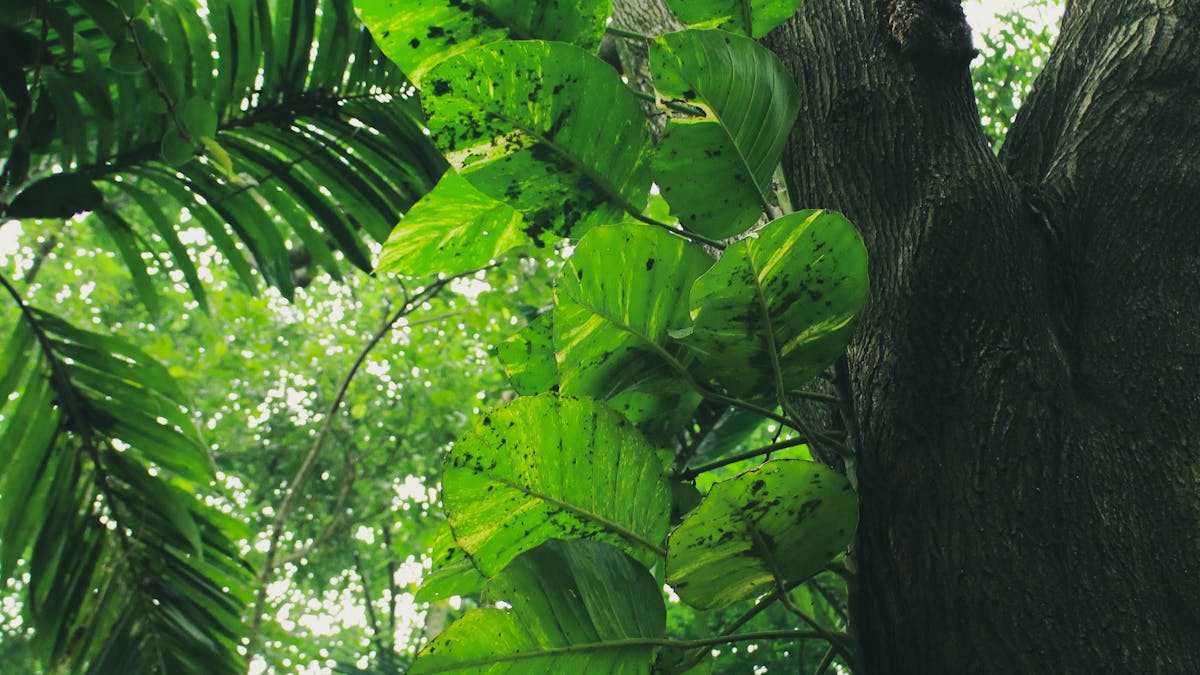
A Forest Studied for Decades
Yagirala Forest Reserve is a lowland wet-zone rainforest in the southwest, between the Kalu and Bentota river basins. Long valued as a research and conservation forest, it has been studied by Sri Lankan universities for years, giving it an important role in understanding — and protecting — the island's rainforest ecology.
Why It's Worth Knowing
- A relatively accessible lowland rainforest away from the busy main reserves
- Rich in endemic trees, including valuable dipterocarps
- Home to endemic birds, amphibians, reptiles, and butterflies
- An important watershed protecting downstream rivers and farmland
Visiting
Yagirala is quieter and more low-key than Sinharaja or Kanneliya, with simple forest trails. As always in these reserves, a local guide greatly improves both safety and wildlife sightings, and helps you understand the forest's research story.
Practical Tips
- Best time: The drier months (January–April).
- Leeches & rain: Be ready for both in the wet zone.
- Tread lightly: Stick to trails to protect the forest floor.
Where to Stay
The reserve is within reach of the southwest coast — base in Galle for a comfortable day trip. See our rainforest accommodation guide.
Quick Facts
| Type | Lowland research & conservation rainforest |
| Location | Between the Kalu & Bentota river basins |
| Nearest town | Galle (for the south-coast approach) |
| Known for | University research, dipterocarp trees |
| Atmosphere | Quiet, low-key |
| Best season | January–April |
How to Get There
- From Galle: A comfortable day trip inland toward the reserve.
- From the southwest coast: Via Elpitiya/Bentota-area roads.
- On site: Simple forest trails — a local guide improves the visit.
Nearby Attractions
- Galle Fort and south-coast beaches
- Kottawa Rainforest — near Galle
- Bentota — river safaris and beaches
Frequently Asked Questions
What is Yagirala known for? It's a long-studied research and conservation forest, important for understanding wet-zone ecology.
Is it easy to reach? Yes — relatively accessible from the southwest coast compared to the busier main reserves.
Do I need a guide? A local guide greatly improves safety and wildlife sightings.
When is the best time? The drier months (January–April), with rain and leeches possible year-round.