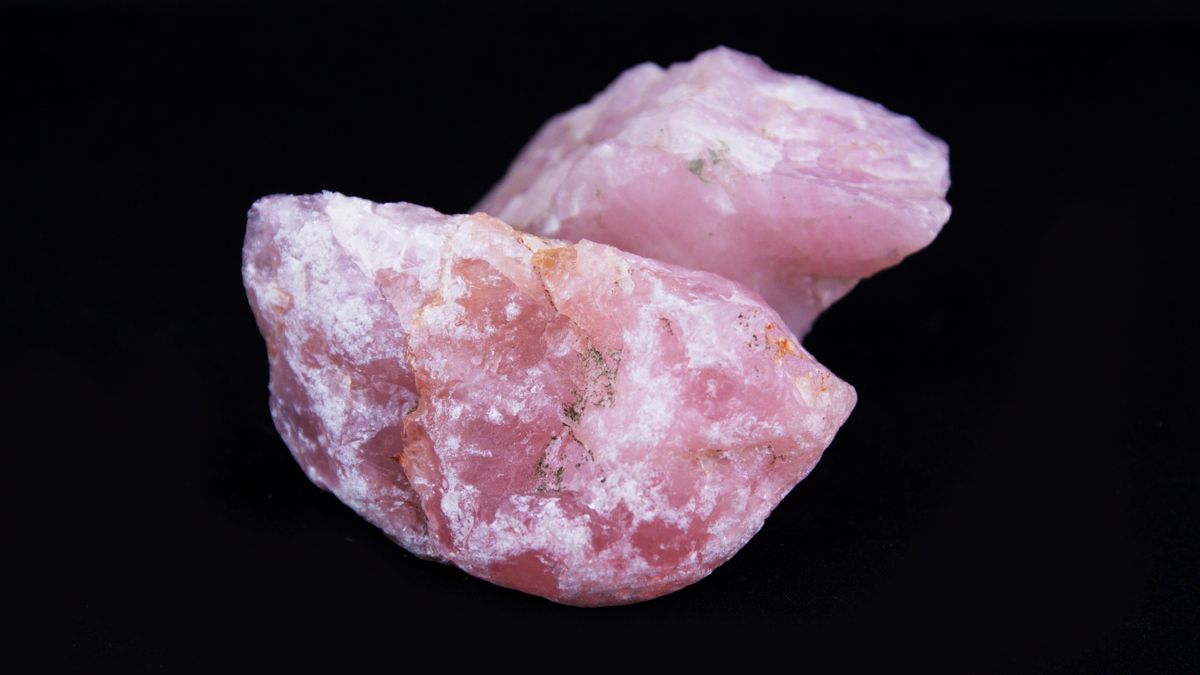
A Spectrum of Pink
Pink sapphire is corundum coloured by trace amounts of chromium — the same element that, in higher concentrations, creates ruby. Ceylon pink sapphires span a beautiful range from gentle baby pink to vivid, almost neon "hot pink." They've become hugely popular for engagement rings and modern jewellery.
Pink Sapphire vs Ruby
The line between a deep pink sapphire and a ruby is famously blurry and depends on colour intensity. In general:
- More chromium → redder → ruby
- Less chromium → pink → pink sapphire
Different markets draw the line slightly differently, which is one reason certification matters.
What Affects Value
- Colour saturation — vivid, pure pinks are most valued; brownish or greyish tints lower value.
- Clarity — eye-clean stones are preferred.
- Cut & carat — clean larger stones rise steeply in price.
- Treatment — heat treatment is common; untreated certified stones command more.
Buying Tip
Ask whether a stone is classified as pink sapphire or ruby, and get it in writing. Read our guide to buying Ceylon sapphires.
See Where They're Found
Pink sapphires come from the Ratnapura gem fields — browse accommodation in Ratnapura.
Quick Facts
| Mineral | Corundum |
| Colour | Baby pink to vivid hot pink |
| Cause of colour | Traces of chromium |
| Hardness | 9 (Mohs) |
| Main SL source | Ratnapura gem fields |
| Related to | Ruby (more chromium = red) |
Frequently Asked Questions
What's the difference between pink sapphire and ruby? Both are chromium-coloured corundum; more chromium makes a redder stone (ruby), less makes it pink (pink sapphire). The line varies by market.
Why is pink sapphire so popular? Its romantic colour range and excellent durability make it a favourite for engagement rings and modern jewellery.
Are pink sapphires treated? Heat treatment is common; untreated certified stones command a premium.
Is it suitable for daily wear? Yes — at hardness 9 it's very durable.