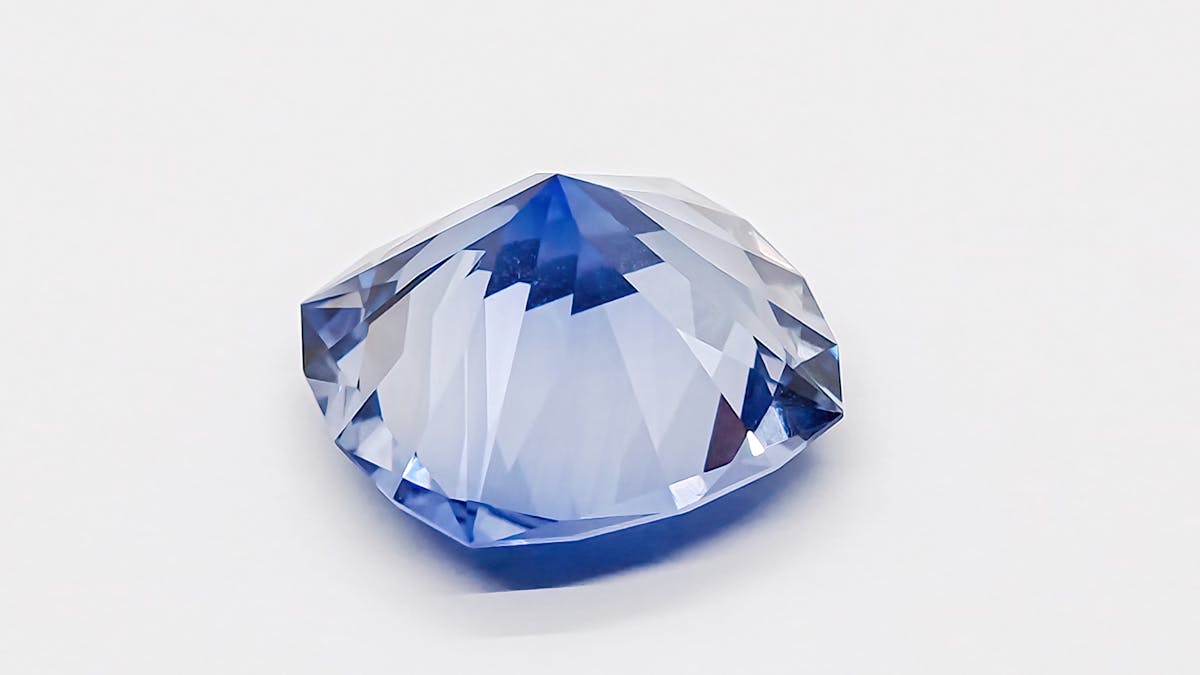
The Gem That Made Sri Lanka Famous
The Ceylon blue sapphire is the most celebrated gemstone the island produces. For centuries it has set the global benchmark for blue sapphire, prized for a bright, slightly violet "cornflower" blue combined with exceptional transparency. The engagement ring worn by Catherine, Princess of Wales — once Princess Diana's — features a Ceylon blue sapphire.
Sapphire is a variety of the mineral corundum (aluminium oxide). The blue colour comes from traces of iron and titanium. On the Mohs hardness scale it scores 9, second only to diamond, making it superb for everyday jewellery.
Where It Comes From
Most Ceylon blue sapphires are mined from the alluvial gravels (illam) around Ratnapura, with Elahera and Balangoda also important sources. Traditional pit mining and river washing are still common.
What Affects the Value
- Colour — an even, vivid cornflower blue is most prized. Overly dark ("inky") or pale stones are worth less.
- Clarity — fewer visible inclusions is better, though fine "silk" can give a soft glow.
- Cut — a good cut maximises brilliance and even colour.
- Carat — price rises sharply with size, especially above 3–5 carats.
- Treatment — most sapphires are gently heat-treated to improve colour (widely accepted). Untreated stones with certification command a premium.
Buying Tip
Always buy from a licensed dealer and get certification for any significant stone. See our full guide to buying authentic Ceylon sapphires.
Visiting the Source
Pair a gem-shopping trip with the gem country itself — browse accommodation in Ratnapura and read our Ratnapura travel guide.
Quick Facts
| Mineral | Corundum |
| Colour | Blue (cornflower blue most prized) |
| Cause of colour | Traces of iron & titanium |
| Hardness | 9 (Mohs) |
| Main SL source | Ratnapura, Elahera, Balangoda |
| Treatment | Often heat-treated (accepted) |
Frequently Asked Questions
What makes Ceylon blue sapphire special? Its bright, slightly violet "cornflower" blue combined with excellent transparency — long considered the world benchmark for blue sapphire.
Are Ceylon sapphires treated? Most are gently heat-treated to improve colour, which is standard and accepted. Untreated, certified stones command a premium.
How can I tell if it's genuine? Buy from a licensed dealer and get laboratory certification — see our buying guide.
Is sapphire good for everyday rings? Yes — at hardness 9 it's second only to diamond and excellent for daily wear.