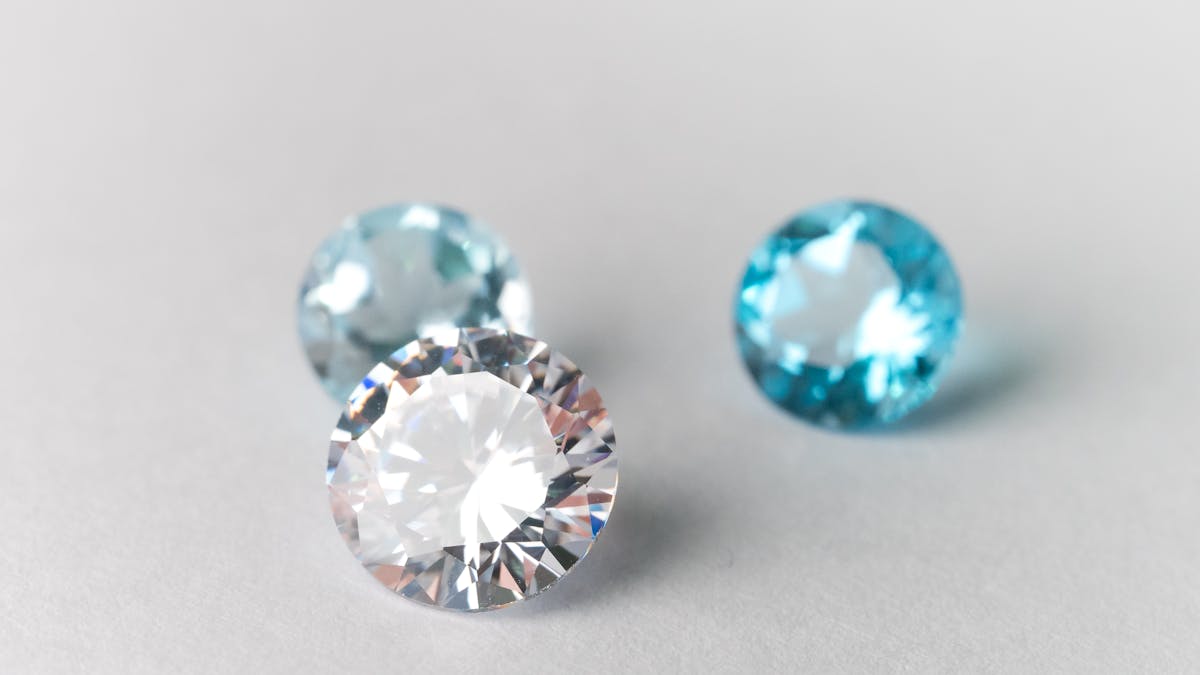
A Natural Gem With Diamond-Like Fire
Zircon is a genuine, natural gemstone — and one of the most brilliant. It has high light dispersion ("fire") and brilliance that can rival diamond, which is why it was historically used as a diamond substitute. Sri Lanka is a classic source, and the very name of one variety, "jargoon," traces back to the island's stones.
Important: Natural zircon is not the same as cubic zirconia (CZ). CZ is a cheap, man-made diamond simulant. Zircon is a real mineral with its own beauty and value — don't let the similar names fool you.
Colours
Zircon occurs in blue, golden, honey, brown, red, green, and colourless. Blue zircon (usually produced by heating brown material) is the most popular today.
What Affects Value
- Colour — vivid blue and clean colourless stones are most sought after.
- Brilliance & fire — a key part of zircon's appeal.
- Clarity & cut — eye-clean, well-cut stones show the most sparkle.
Care Tip
Zircon (hardness ~6.5–7.5) can be slightly brittle and its facet edges can abrade, so store it separately and avoid hard knocks.
See the Source
Browse Ratnapura accommodation and the Island of Gems overview.
Quick Facts
| Mineral | Zircon (a natural gemstone) |
| Colours | Blue, golden, honey, brown, colourless |
| Hardness | ~6.5–7.5 (Mohs) |
| Famous for | Diamond-like fire & brilliance |
| Not to confuse | Cubic zirconia (a man-made simulant) |
| Main SL source | Ratnapura gem fields |
Frequently Asked Questions
Is zircon the same as cubic zirconia? No — zircon is a genuine, natural mineral with real value; cubic zirconia (CZ) is a cheap man-made diamond simulant. The names are similar but the stones are unrelated.
Why is zircon prized? For its exceptional brilliance and "fire," which historically made it a diamond substitute.
What's the most popular colour? Blue zircon (usually produced by heating brown material) is the most popular today.
Does it need care? Yes — it can be slightly brittle and its facet edges can abrade, so store it separately.