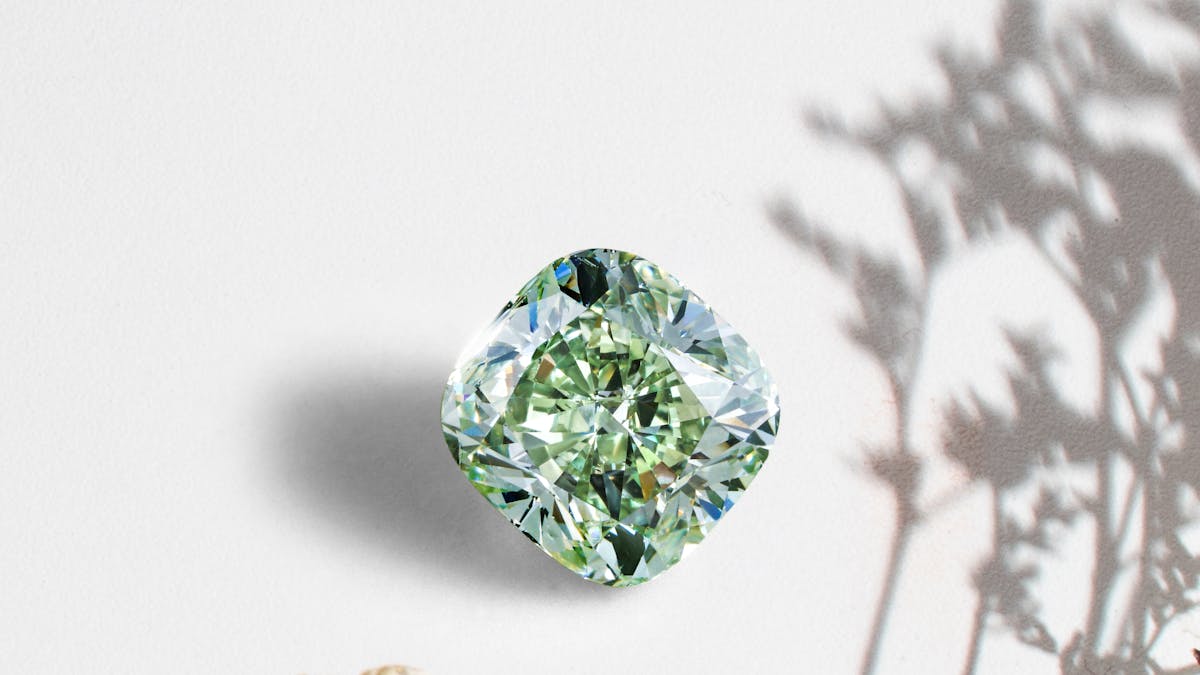
Green With a Golden Glow
Peridot is one of the few gems that comes in only one colour — green — ranging from lime and olive to a rich bottle green, always with a warm, golden undertone that sets it apart from other green gems. Sri Lanka's gem gravels yield peridot among their many treasures. It has a hardness of around 6.5–7.
Peridot is the gem variety of the mineral olivine, and unusually, it forms deep in the Earth's mantle and is brought up by volcanic activity — it has even been found in meteorites.
What Affects Value
- Colour — a pure, vivid grass-green with minimal brown or yellow is most prized.
- Clarity — eye-clean stones are preferred.
- Cut & carat — larger clean stones with rich colour command higher prices.
- Natural — peridot is typically not treated, a plus for buyers.
Care Tip
Peridot is more sensitive than sapphire — avoid hard knocks, sudden temperature changes, and harsh chemicals. Clean gently with mild soapy water.
A Gem With History
Peridot has been mined for thousands of years; some historians believe certain "emeralds" of Cleopatra were in fact peridot.
See the Source
Browse Ratnapura accommodation and the Island of Gems overview.
Quick Facts
| Mineral | Olivine |
| Colour | Olive to lime green (golden undertone) |
| Hardness | ~6.5–7 (Mohs) |
| Treatment | Typically none |
| Origin note | Forms deep in the mantle; found in meteorites |
| Main SL source | Ratnapura gem fields |
Frequently Asked Questions
What colour is peridot? Always green — from lime and olive to rich bottle green, with a distinctive warm, golden undertone.
Is peridot treated? No — it's typically natural and untreated, a plus for buyers.
How do I care for it? It's more sensitive than sapphire — avoid hard knocks, sudden temperature changes, and harsh chemicals.
Any interesting history? Some historians believe certain "emeralds" of Cleopatra were actually peridot.