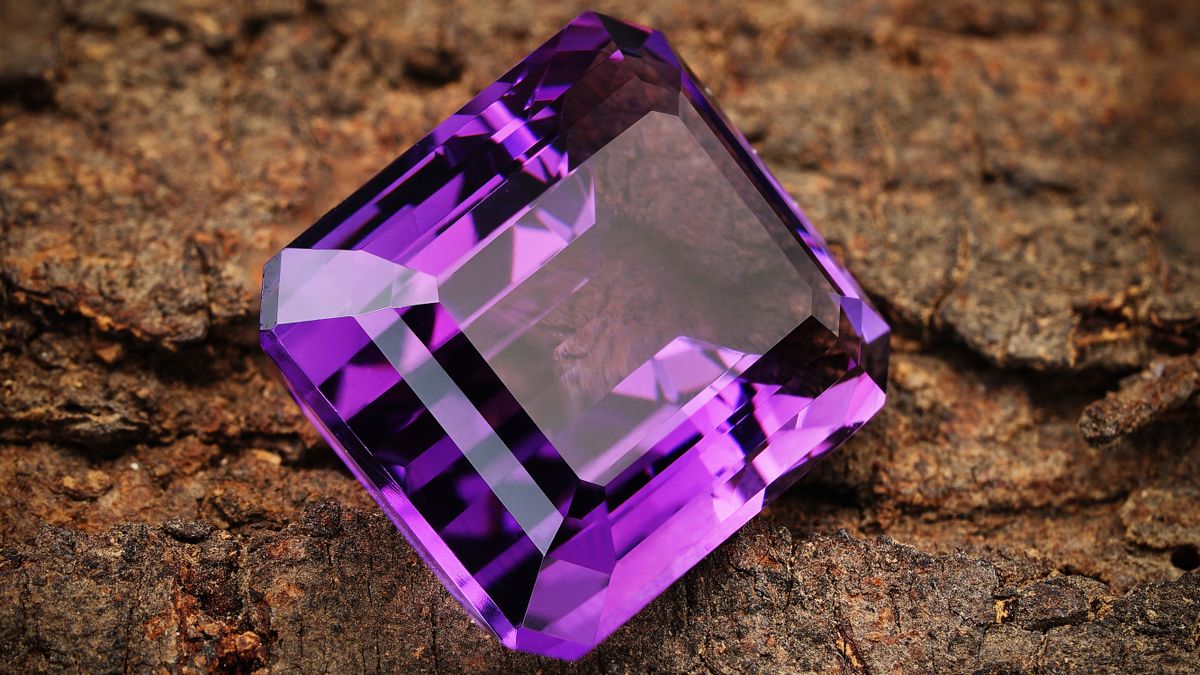
The Stone That Shows Three Colours
Iolite (the gem name for the mineral cordierite) is a beautiful violet-blue gem known for strong pleochroism — it shows noticeably different colours depending on the viewing angle, from rich blue-violet to nearly colourless to a smoky yellow-grey. Sri Lanka is among its sources. It has a hardness of around 7–7.5.
The "Viking's Compass" Legend
Iolite is sometimes called the Viking's Compass. According to legend, Norse navigators used thin slices of iolite as a polarising filter to locate the position of the sun on overcast days at sea. Whether or not the story is literally true, it captures the gem's remarkable light-splitting nature.
What Affects Value
- Colour — a deep, saturated blue-violet (like fine sapphire or tanzanite) is most prized.
- Clarity — eye-clean stones preferred.
- Cut — crucial: the cutter must orient the stone to show the best blue face-up.
A Smart Buy
Iolite offers a sapphire-like blue-violet at a far gentler price, and it's usually untreated — making it a great value gem for collectors and jewellery lovers alike.
See the Source
Browse Ratnapura accommodation and the Island of Gems overview.
Quick Facts
| Mineral | Cordierite |
| Colour | Violet-blue |
| Special | Strong pleochroism (3 colours by angle) |
| Hardness | ~7–7.5 (Mohs) |
| Treatment | Usually none |
| Nickname | "Viking's Compass" |
Frequently Asked Questions
Why does iolite show different colours? Strong pleochroism — it appears blue-violet, near-colourless, or smoky yellow-grey depending on the viewing angle.
Why is it called the Viking's Compass? Legend says Norse navigators used thin iolite slices as a polarising filter to locate the sun on overcast days at sea.
Is iolite a good value? Yes — it offers a sapphire-like blue-violet at a much gentler price, and is usually untreated.
Why is the cut important? The cutter must orient the stone so the best blue shows face-up.